
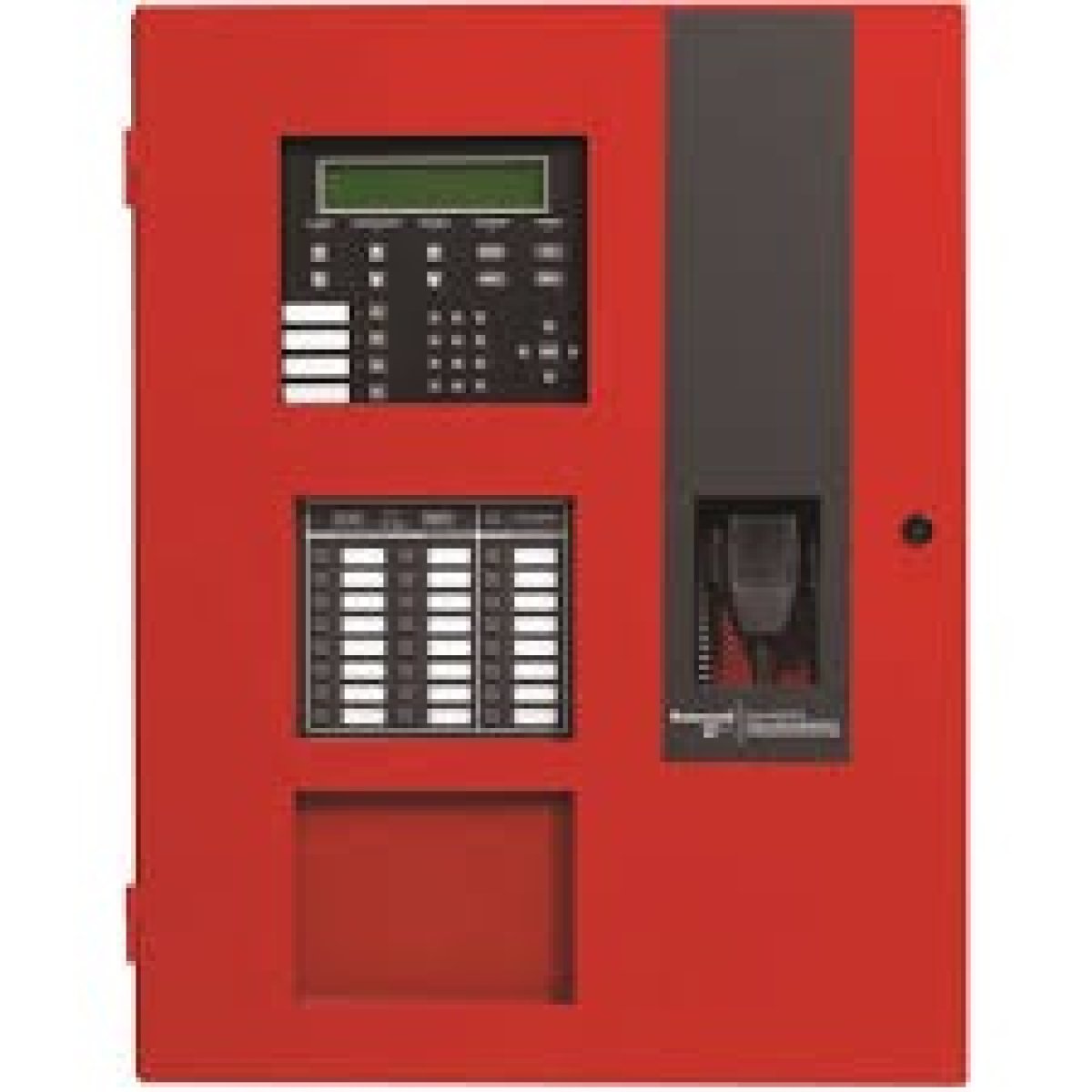
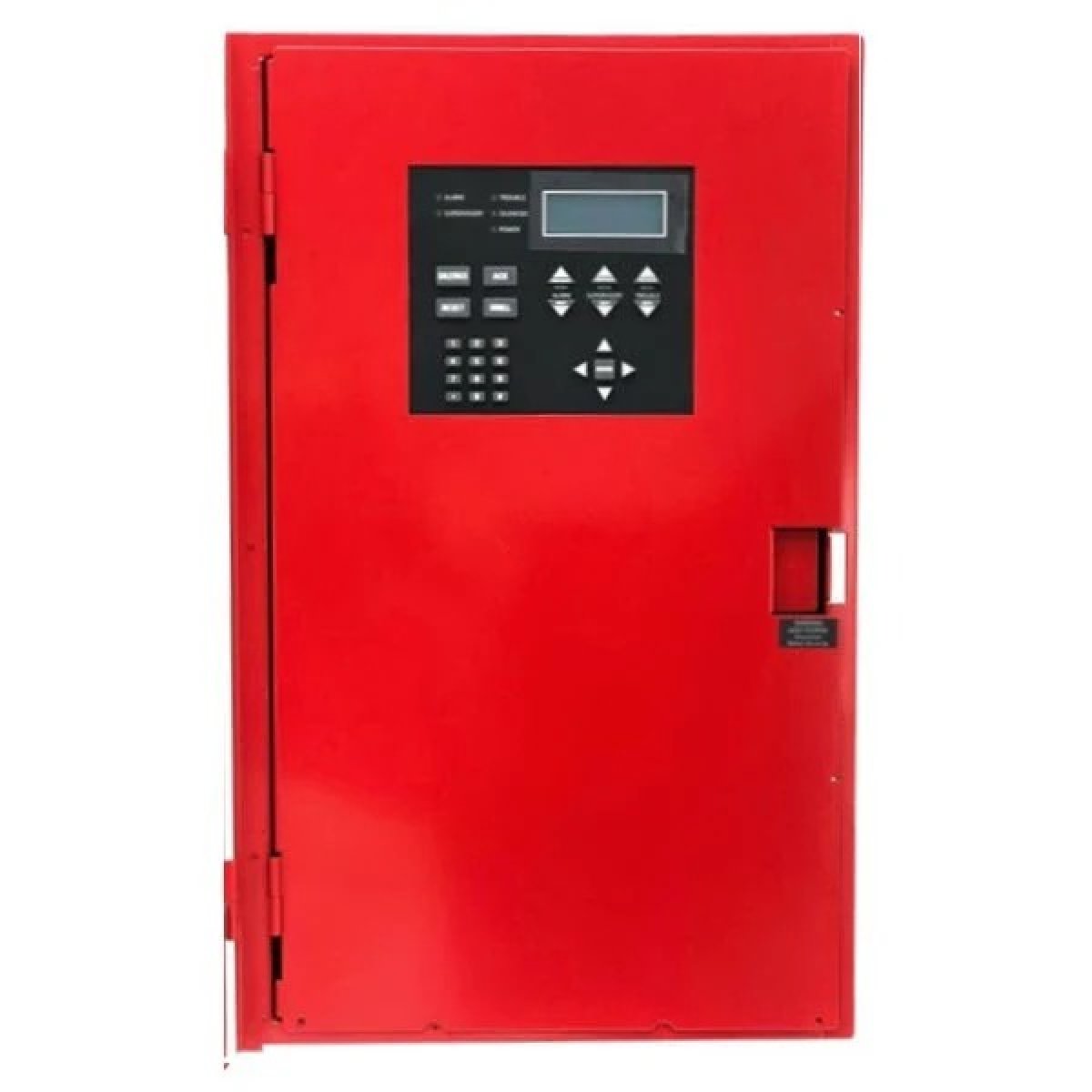
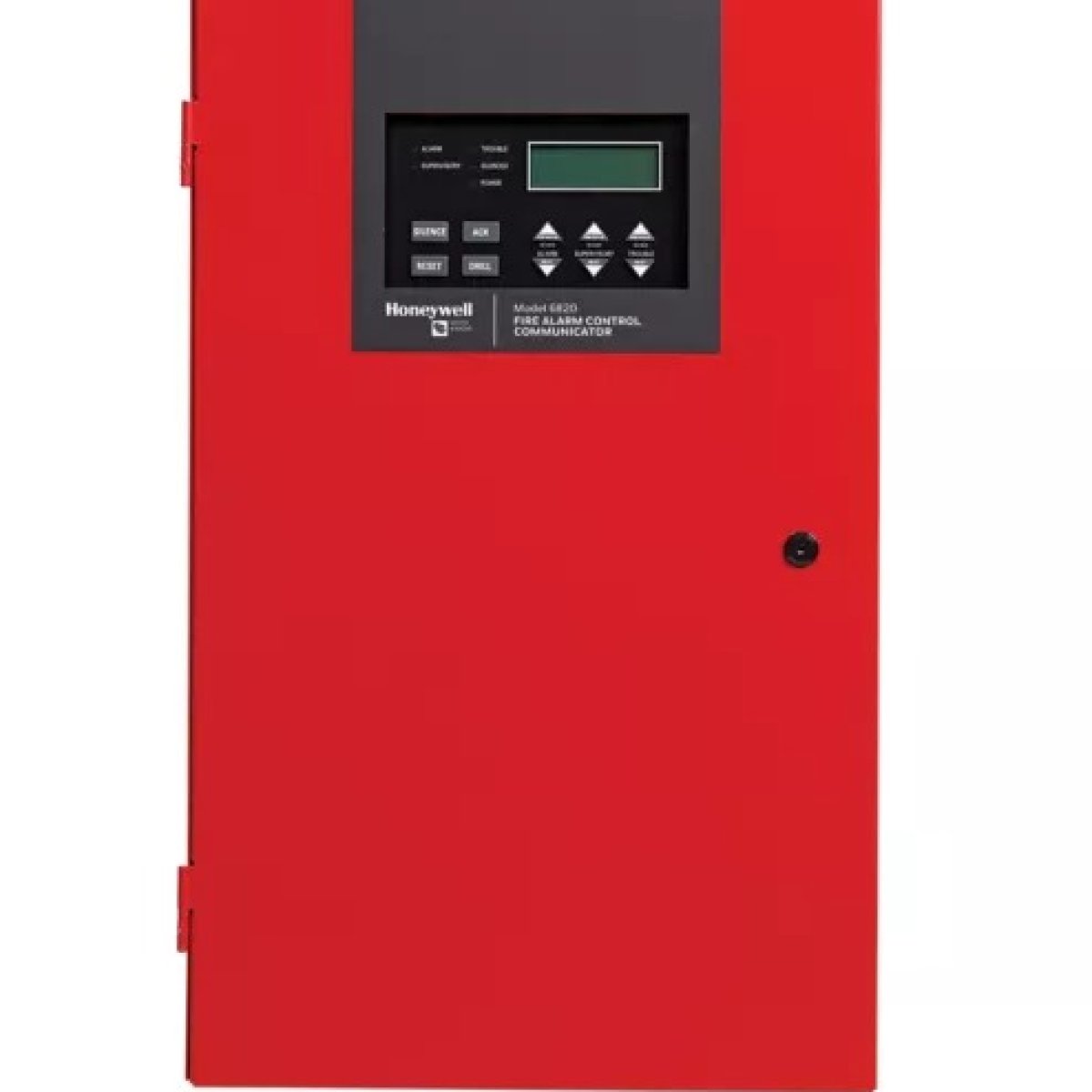
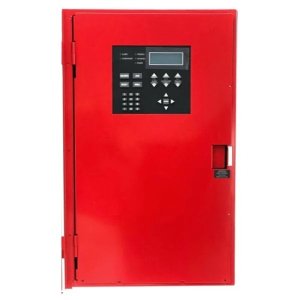
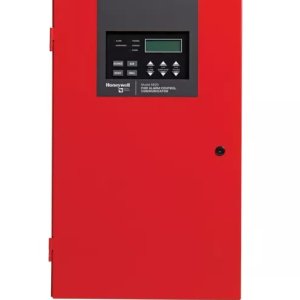
Fire Alarm Panel Integration Architecture A high-reliability systems architecture designed to integrate a central intelligent Addressable Fire Alarm Control Panel (FACP) with a building's mechanical, electrical, and life-safety infrastructure. Utilizing open building management protocols (such as BACnet, Modbus, and LonWorks) alongside monitored dry-contact relays, this integrated solution automatically commands building ventilation, elevators, access control, and fire pumps during an active emergency while outputting real-time system telemetry to a centralized Building Management System (BMS).
The Central Nervous Hub of Automated Emergency Life-Safety Response
A modern commercial or industrial facility relies on a massive variety of standalone mechanical and electrical subsystems. During a major structural fire event, leaving these subsystems operating in their normal day-to-day modes can be catastrophic. For example, standard HVAC fans can accidentally pull thick toxic smoke down into emergency escape stairwells, and locked electronic security gates can trap building occupants trying to flee. The Fire Alarm Panel Integration Matrix serves as the master command engine that bridges these systems, instantly transitioning the entire building from a standard operating profile into an emergency life-safety response configuration.
The integration operates on a multi-tiered communications strategy. While the main addressable FACP utilizes high-speed, proprietary SLC (Signaling Line Circuit) data loops to monitor smoke detectors and manual pull stations, it communicates outward to other building systems through two main methods: High-level software network protocols (such as BACnet over IP or Modbus RTU) and Low-level hardware supervised relays.
Software integration passes comprehensive system data—such as exact detector smoke obscuration percentages and real-time gas valve pressures—directly up to the Building Management System (BMS) for logging and maintenance tracking. Simultaneously, the physical hardware relays act as fail-safe, localized emergency cut-offs, ensuring critical actions occur even if the software network drops out.
Core System Interconnection Profiles
When a fire condition is confirmed by the master panel, the integration matrix executes a series of synchronized, automated commands across the facility's infrastructure:
1. Mechanical HVAC & Smoke Management Integration
Air Handling Unit (AHU) Interlock: Automatically cuts power to main supply air fans to prevent fresh oxygen from feeding the fire, or switches them to exhaust mode to purge smoke.
Stairwell Pressurization Fans: Instantly triggers dedicated high-volume intake fans to pump clean outdoor air into emergency stairwells, creating a positive pressure barrier that blocks smoke from entering escape paths.
Fire Dampers: Releases electromagnetic latch holds on motorized duct dampers, completely sealing off isolated fire zones to halt the migration of toxic gases between floors.
2. Elevator Control Integration
Phase I Primary Recall: Sends an unconditional electrical signal to the elevator controller, forcing all passenger cabs to bypass normal floor calls and travel immediately to a pre-designated main egress floor (typically the ground lobby).
Phase II Firefighter Operation: Keeps the elevators parked at the recall floor with doors open, transferring manual override control strictly to emergency service crews via a specialized physical key switch inside the cab.
3. Electronic Access Control & Security Integration
Fail-Safe Door Release: Instantly drops power to all magnetic locks (Mag-Locks) on emergency exit doors, electronic turnstiles, and parameter gates across the property, allowing occupants to exit smoothly without scanning security badges.
4. Fire Pump and Sprinkler Grid Telemetry
Supervisory Flow Track: Interconnects directly with the Fire Pump Control Panel, Fire Suppression Butterfly Valves, and Waterflow Pressure Switches. The moment water begins flowing through an activated sprinkler riser, the FACP pinpoints the exact floor location and flashes an immediate alarm.
Key Performance Features
Advanced BACnet/IP High-Level Interface: Features an integrated, factory-certified network gateway card that translates internal FACP events into standard BACnet object types, allowing universal, plug-and-play monitoring on standard BMS workstations.
Supervised Relay Output Circuits: All critical control relays are electrically supervised by the panel, using end-of-line (EOL) resistors to continuously monitor wiring loops for open or short circuits and alerting operators to defects before an emergency occurs.
Optically Isolated Communication Ports: Equipped with built-in surge protection and optical isolation across all Modbus and Ethernet ports, shielding the internal FACP microprocessors from high-voltage electrical spikes in mechanical plant rooms.
Granular Historical Event Mapping: Maintains a comprehensive, non-volatile internal data log that chronologically timestamps up to 10,000+ localized detector and relay activations, serving as an unalterable record for post-incident insurance and fire marshal audits.
Ideal Infrastructure Applications
High-Rise Commercial Office Towers: Managing complex vertical smoke control barriers and staging multi-floor synchronized occupant evacuation alarms.
Mission-Critical Data Centers: Interfacing with clean-agent gas suppression networks (such as FM-200 or Novec 1230) to initiate targeted power-distribution shutdowns before gas deployment.
Sprawling Industrial Production Plants: Linking decentralized fire panels across multiple detached structures back to a single, centralized graphic command console in a main control room.
Technical Performance MatrixIntegration Metric ParameterHigh-Level Network InterfaceLow-Level Hardware InterlockCommunication ArchitectureSoftware Protocol Array (Data-Bus)Hardwired Electromechanical RelaysSupported Native ProtocolsBACnet IP / Modbus RTU / LonWorksN/A (Dry Contact Changeover Type)Physical Interface TypeRJ45 Ethernet Port / RS-485 Serial LinkForm C Relays (SPDT Contacts)Contact Load RatingN/A (Digital Data Packets Only)2.0A @ 30V DC / 0.5A @ 125V ACLoop Electrical SupervisionContinuous Software Ping / Keep-AliveHardware End-of-Line (EOL) ResistorIsolation Barrier Rating1500V RMS Optical Isolation Standard2500V Dielectric Surge WithstandCode Standards ComplianceNFPA 72 (National Fire Alarm Code)NFPA 72 / UL 864 (Control Units)Standard Procurement Package Components
Intelligent Addressable FACP Main Control Unit with Built-in LCD Touchscreen
Factory-Installed Network Integration Gateway Card (BACnet or Modbus Protocol Specific)
Supervised Remote Relay Interface Modules (DIN-Rail or Box Mount)
Complete System Matrix Programming Software, Access Keys, and I/O Mapping Logs
Optional System Add-ons: Remote LED Graphic Annunciator Panels, Fiber Optic Network Converters, and Auxiliary 24V DC Power Supplies (Sold Separately based on contract engineering BOQ)