
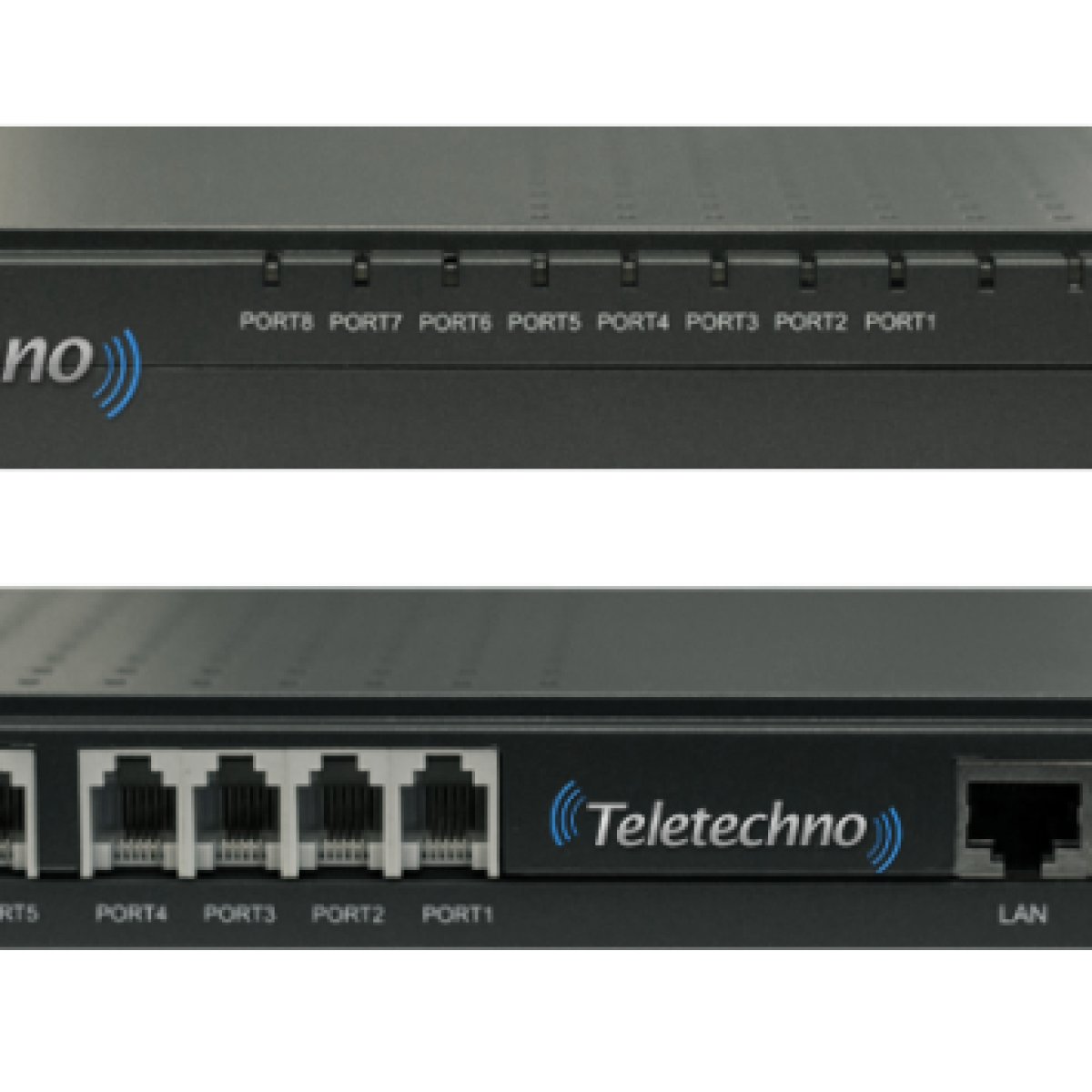
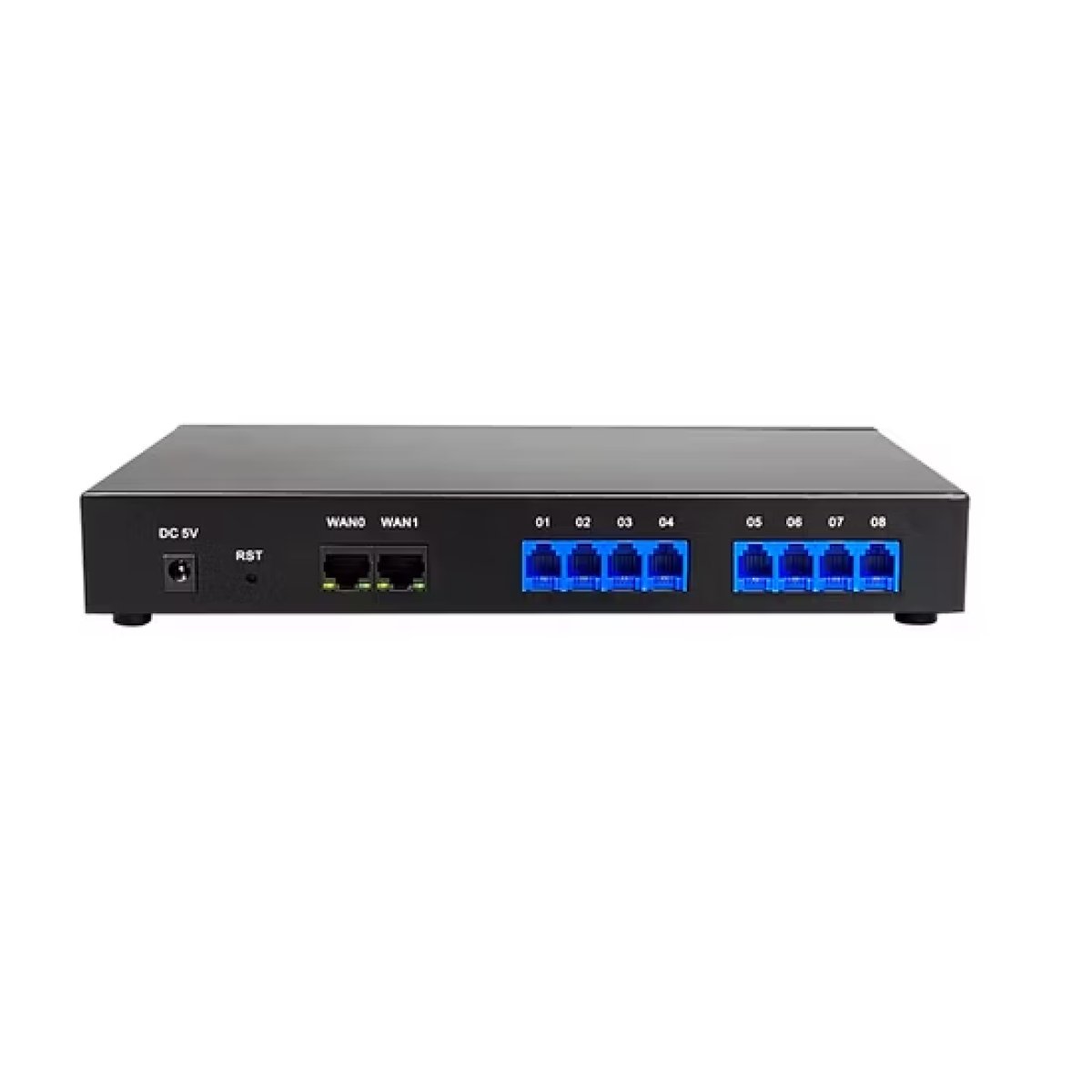
IP-Based Private Branch Exchange (IP PBX) Communications Server A centralized, high-capacity unified communications appliance engineered to manage a facility's voice, video, and data routing over an IP network. Utilizing Session Initiation Protocol (SIP), this Linux-based telecom server bridges internal IP endpoints (desk phones, softphones, and PA systems) with external public telephone networks via SIP trunks or analog/ISDN media gateways—delivering automated call routing, advanced IVR menus, and centralized administration via a web-based dashboard.
Migrating Telephony Infrastructure to the Digital Network Layer
Traditional private phone networks required dedicated, expensive copper cabling (like twisted-pair Cat3 phone lines) running from every office desk back to a massive, proprietary mechanical switching box in the telephone closet. This legacy framework was costly to install, limited layout flexibility, and tied companies to expensive analog phone lines. An IP PBX System replaces this old hardware setup entirely by turning voice communications into standard digital data packets that travel over the building’s existing high-speed local area network (LAN).
The core server functions as an intelligent telecom traffic controller. Instead of matching physical copper wires, the system handles calls virtually using software-driven Session Initiation Protocol (SIP).
When a user dials a phone number, the IP desk phone or computer software app converts their voice into digital data packets. The central IP PBX acts as the master directory: it instantly reads the packet headers, determines the fastest network path, and establishes a secure connection to the destination.
For internal calls, the traffic stays entirely within the local office network with zero transmission fees. For external calls, the IP PBX sends the data streams through digital SIP Trunks over an internet connection, or routes them through specialized voice gateways to bridge into traditional analog telephone lines.
Strategic System Deployment Models
Modern IP PBX infrastructures are typically specified across three distinct mechanical and cloud topologies:
1. On-Premises Hardware Appliance
Maximum Data Control: A physical rack-mounted server installed inside the facility’s secure IT equipment room. It provides absolute control over call data and is completely independent of external internet outages for internal office calling.
Best For: Government complexes, high-security financial institutions, and hospitals.
2. Software-Defined Virtual Machine (VM / ISO Deployment)
Hardware-Agile Integration: The PBX software is deployed directly onto existing corporate server hardware (such as VMware, Hyper-V, or a bare-metal Linux node).
Best For: Enterprises with established server farms and dedicated IT teams.
3. Cloud-Hosted / Hybrid PBX
Zero On-Site Footprint: The communication engine is hosted securely off-site in an industrial data center. Local office endpoints connect directly over the internet.
Best For: Distributed multi-branch offices and remote corporate workforces.
Key Performance Features
Advanced Unified Communications Integration: Combines voice calls, video conferencing, real-time messaging, and interactive voicemail-to-email routing into a single system dashboard.
Intelligent Interactive Voice Response (IVR): Built-in multi-level digital receptionist matrices, allowing facility designers to customize call routing trees (e.g., "Press 1 for Sales, Press 2 for Security") without requiring physical operator desks.
PoE Network Endpoint Scaling: Eliminates individual AC wall power bricks for office phones; endpoints draw operating power directly from standard network switches over standard Cat6 data runs via Power over Ethernet (IEEE 802.3af).
Robust Enterprise API Integration: Connects cleanly with customer relationship management (CRM) systems, enterprise resource planning (ERP) platforms, and facility access systems (such as releasing an electronic door strike directly from a desk phone keypad).
Comprehensive Call Accounting & Analytics: Automatically logs, tracks, and archives detailed Call Detail Records (CDR), tracking call duration, queues, and channel usage for performance auditing.
Ideal Infrastructure Applications
Commercial Corporate Headquarters: Interlinking multi-floor office phone arrays with automated extension directories, dynamic call forwarding, and hot-desking setups.
Call Centers & Customer Support Hubs: Managing dense call queues, live supervisor call-monitoring, and dynamic agent ring groups.
Hospitality Hotels & Resorts: Interfacing with Property Management Systems (PMS) to automate room check-ins, wake-up calls, and localized room billing systems.
Technical Performance MatrixEngineering Metric ParameterEnterprise Hardware IP PBX ApplianceMid-Market IP PBX ApplianceMaximum Registered Users / ExtensionsUp to 2,000 Local EndpointsUp to 500 Local EndpointsConcurrent Active Call CapacitiesUp to 500 Simultaneous CallsUp to 120 Simultaneous CallsCore Protocol ArchitectureSession Initiation Protocol (SIP V2)Session Initiation Protocol (SIP V2)Supported Voice CodecsG.711 (Alaw/Ulaw), G.722 (HD), G.729, OpusG.711, G.722, G.729, G.726Network Interfaces Onboard2 $\times$ Gigabit WAN Ports, 2 $\times$ Gigabit LAN Ports1 $\times$ WAN Port, 1 $\times$ LAN PortIntegrated Legacy PortsExpandable FXS/FXO Analog / T1/E1 PRI Slots4 $\times$ Onboard FXO Ports, 2 $\times$ FXS PortsHardware Physical Form Factor1U 19-Inch Rack-Mount ChassisCompact Desktop / Wall-Mount BracketEnclosure Construction BaseHeavy-Duty Galvanized Sheet SteelHigh-Impact Polymer Shroud AssemblyCompliance CertificationsCE / FCC / RoHS / UL 60950 ListedCE / FCC ApprovedStandard Procurement Package Components
Intelligent IP PBX Unified Communications Network Server Appliance
Heavy-Duty 19-Inch Equipment Rack Mounting Brackets & Screw Sets
Dual Redundant AC-to-DC Grounded Power Supply Cables (for enterprise models)
Factory Admin System Activation Licenses and Core Configuration Guide
Required System Add-ons: SIP-Compliant IP Desk Phones, PoE Network Switches, External Analog Media Gateways (for fax or legacy lines), and SIP Trunk Subscription Packages (Sold Separately based on project network BOQ)