
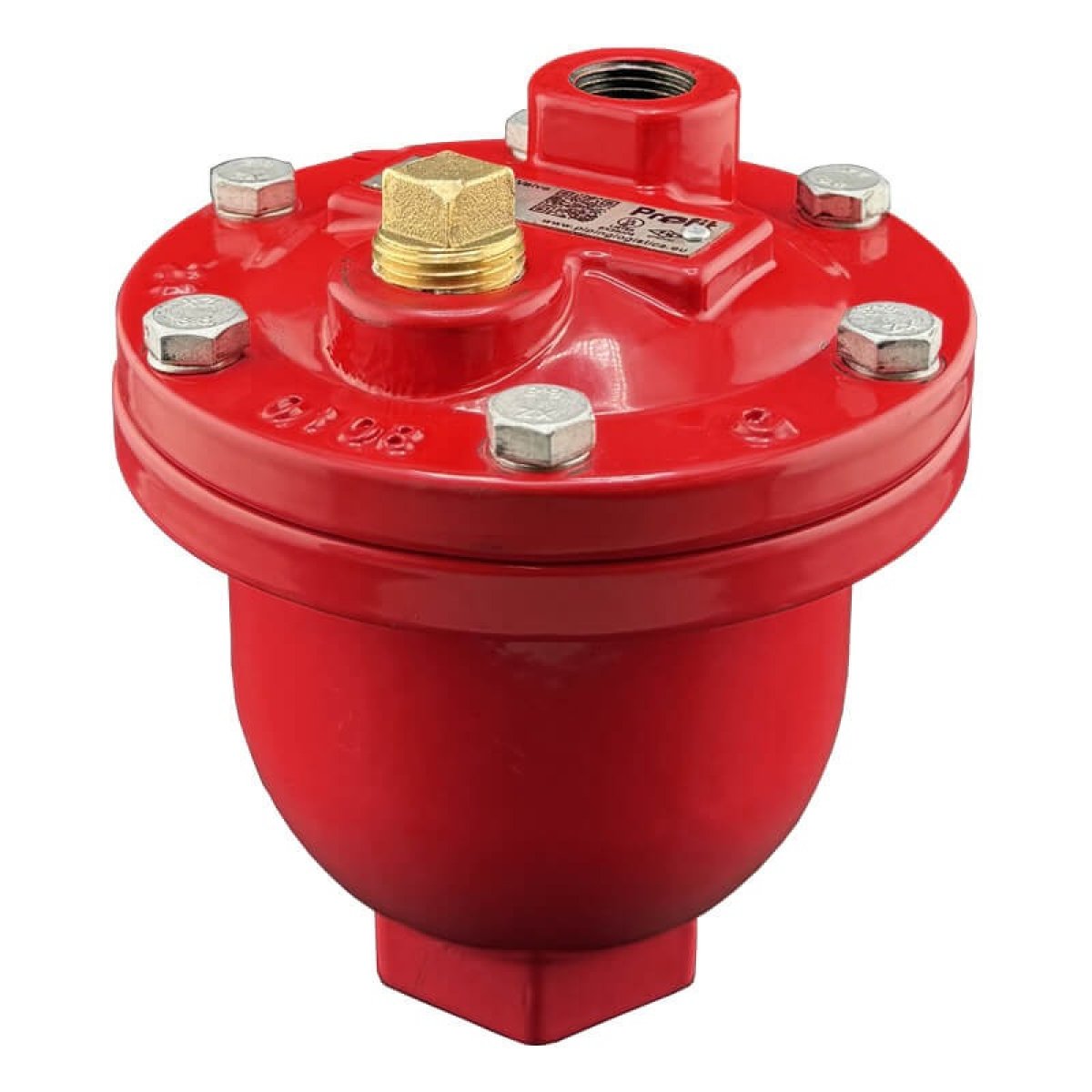
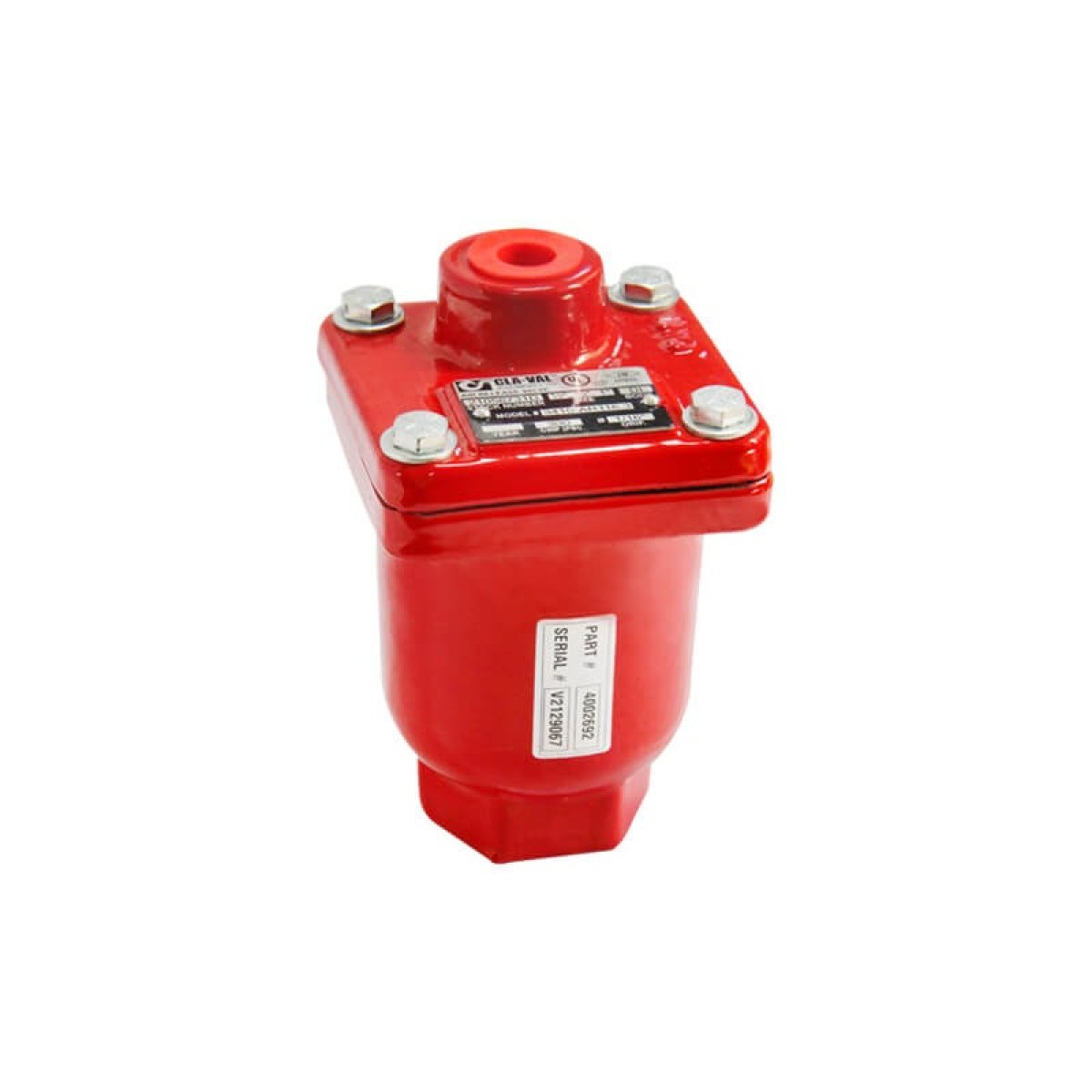
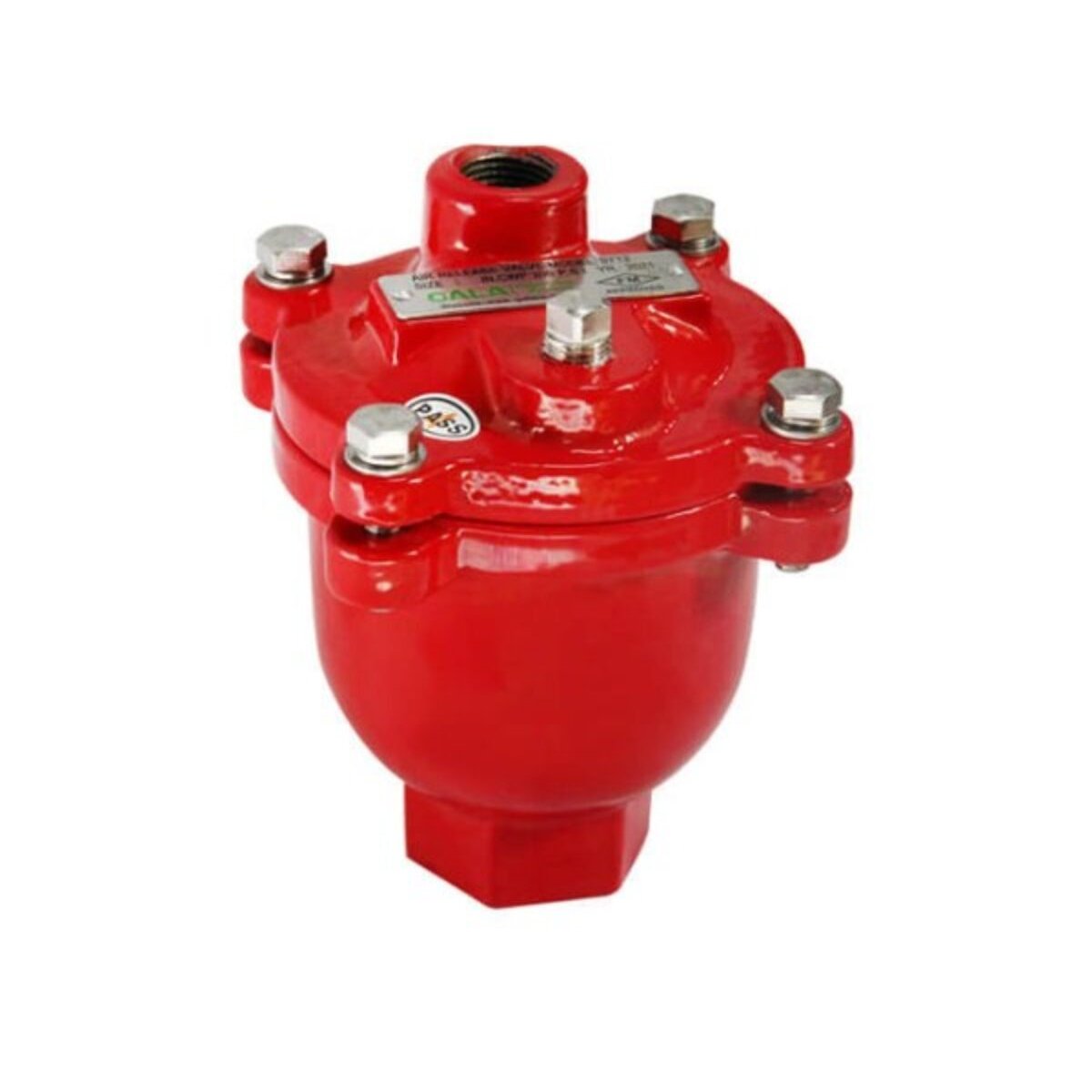
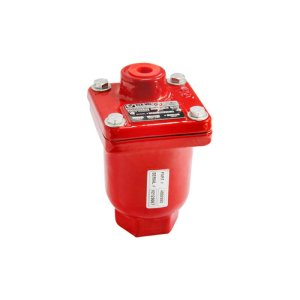
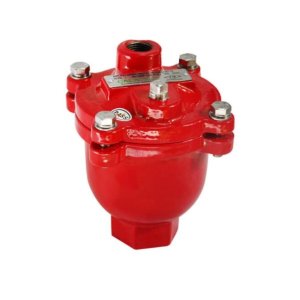
Automatic Air Release Valve (Threaded/Flanged, Single/Double Chamber) An industrial-grade, precision-engineered automatic air release valve designed to continuously purge entrained air pockets from high-pressure liquid pipelines. Featuring a heavy-duty ductile iron body, a corrosion-resistant stainless steel or polymer internal float, and a positive-sealing resilient seat, this valve prevents localized air binding, minimizes internal pipeline friction, and guards infrastructure networks against catastrophic hydraulic surge pockets and water hammer events.
Eliminating Hidden Air Pockets to Maximize Hydraulic Efficiency
In pressurized fluid distribution loops, wastewater lines, and fire protection grids, air is an invisible but destructive enemy. Air enters pipelines during initial system filling, through pump packing glands, or drops out of solution as dissolved gases experience temperature and pressure shifts. Because air naturally migrates to the highest topographical points of a piping network, it forms dense pockets that act as a mechanical restriction. This "air binding" severely chokes the pipe's internal cross-sectional area, driving up pump power costs and forcing the system to work harder to maintain baseline flow rates.
An Automatic Air Release Valve is the dedicated mechanical solution to this systemic issue. Installed at all high points, pipeline changes in grade, and immediately downstream of pumps, the valve relies on a simple, fail-safe buoyancy principle. Under normal operating conditions, liquid fills the internal chamber, pushing an engineered float upward to tightly seal a small venting orifice. As entrained air accumulates along the pipeline crest, it migrates into the valve body and displaces the liquid. As the water level inside the chamber falls, the heavy float drops away from the orifice, opening a precise vent gap that exhausts the captured air to the atmosphere. The moment the air is cleared, the rising liquid forces the float back into the sealed position before any liquid can escape.
Multi-Functional Variations: Single vs. Double Chamber
Depending on the operational dynamics and volume requirements of the pipeline network, air valves are deployed in three specific functional formats:
1. Standard Air Release Valve (Small Orifice)
Continuous Micro-Venting: Outfitted with a highly sensitive internal lever mechanism and a tiny orifice. It is engineered strictly to vent small, accumulated micro-bubbles while the main system is fully charged and operating under high static pressures.
2. Air and Vacuum Valve (Large Orifice)
Bulk Filling and Draining: Features a large exhaust port designed to handle massive volumes of air. It rapidly expels bulk air as a dry pipeline is initially flooded, and conversely admits massive volumes of atmospheric air when the line is drained, preventing destructive vacuum collapses.
3. Combination Air Valve (Double Function / Single Body)
The Comprehensive Solution: Integrates both small and large orifice mechanisms within a single body. It manages bulk filling exhaust, vacuum protection, and continuous micro-venting under full system pressure.
Key Performance Features
Resilient Non-Stick Float Geometry: The internal spherical or cylindrical float is fabricated from high-grade stainless steel or impact-resistant polypropylene, preventing mineral scale adhesion and sticking.
Bubble-Tight Viton / EPDM Sealing: Outfitted with a premium, low-durometer resilient rubber seat layout that seals completely under exceptionally low pressure variables ($<0.2\text{ bar}$).
Aerodynamic Body Contour: Designed with an elongated internal chamber that creates a smooth fluid buffer zone, protecting the float mechanism from premature closing during high-velocity air exhaust cycles.
Corrosion-Proof Fusion-Bonded Epoxy Finish: Coated inside and out with an electrostatically applied, non-toxic fusion-bonded epoxy (FBE) layer, completely shielding the ductile iron metallurgy from oxidative scaling and aggressive chemicals.
Integrated Screen Protection: Fitted with a robust stainless steel mesh hood or cowl over the exhaust port, preventing debris, airborne grit, and nesting insects from entering the internal seating area.
Ideal Infrastructure Applications
Municipal Water Mains & Transmission Lines: Strategic installation at high points along long-distance horizontal distribution loops to preserve design flow velocities.
High-Rise Commercial Building Plumbing Risers: Placed at the highest floor junctions to prevent air binding and noisy, sputtering faucets or flush valves.
Industrial Cooling Towers & Chiller Loops: Safeguarding heavy-duty heat exchangers against localized air pockets that create hot spots and lower thermal efficiency.
Technical Performance MatrixEngineering MetricSmall Orifice Release ValveCombination Air ValveNominal Size Range$1/2"\text{ up to }2"\text{ (Threaded)}$DN50 ($2"$) up to DN300 ($12"\text{ Flanged}$)End Connection StyleMale/Female NPT or BSP ThreadedFlanged (ANSI Class 150 / PN16 / PN10)Orifice Diameter SizePrecise Micro-Orifice ($1.6\text{ mm to }4.8\text{ mm}$)Dual Orifice Layout (Large Bulk + Micro Orifice)Maximum Working Pressure16 bar ($232\text{ PSI}$) to 25 bar ($362\text{ PSI}$)16 bar ($232\text{ PSI}$) to 40 bar ($580\text{ PSI}$)Minimum Sealing Pressure0.2 bar ($2.9\text{ PSI}$) Hydrostatic0.3 bar ($4.4\text{ PSI}$) HydrostaticMain Body MetallurgyDuctile Iron (ASTM A536) / Stainless SteelDuctile Iron (ASTM A536 Grade 65-45-12)Internal Trim CompoundAISI 304 / 316 Stainless Steel ComponentsAISI 304 / 316 Stainless Steel & PolypropyleneStandard Procurement Package Components
Complete Automatic Air Release / Combination Valve Assembly
Pre-installed Internal Float, Lever Arms, and Resilient Orifice Seat Rings
Stainless Steel Mesh Bug Screen and Weather Cowl Protective Top Shield
Technical Volumetric Air Exhaust Performance Data Calibration Curves
Optional System Add-ons: Inline Isolation Ball Valve (for tool-free field maintenance isolate), Companion Flange Mounting Bolt Gasket Kits, and Inflow Prevention Devices (Sold Separately)